

If you’ve been wondering how to get started with beginner reading books at home, you are so not alone. It can feel like a mystery—what books do I need? What if they don’t know many letters yet? Should I be helping them guess words?
Here’s the good news: with just a few letter sounds, kids can start reading real words, building real skills—and it doesn’t have to be overwhelming. In fact, early reader books that are phonics-based (not memorization-based!) are the best way to grow strong, confident readers. I’m going to walk you through how to get started using beginner reading books, including the exact early reader books I used in my classroom and with my own kids.
These include titles from my shop, like the first little readers from the “Mag and Sab” set (you can even grab a freebie below to try it out!).
Why Decodable Books Work (and Why We Don’t Want Kids Guessing)
A lot of beginner books rely on repetition or pictures to help kids “guess” words—but that doesn’t actually teach them to read. Instead, we want to build their ability to sound out and decode words from the start.
That’s exactly why first reader books like Mag and Sab are so powerful. With just a handful of letter sounds (like a, b, m, and s), your child can begin to read full sentences like:
“Mag is in the bag.”
“Sab had a rag in the cab.”
“Mag and Sab grab the bag and gab.”
These sentences aren’t just cute—they’re carefully written using a phonics-based approach that supports blending, fluency, and real reading comprehension.
5 Simple Ways to Get Started with Beginner Reading Books
Whether you’re using the books in my shop or any other best books for beginning readers, here are five easy steps to help your child (or students) start strong:
1. Start with Just a Few Sounds
You don’t need to wait until your child knows every letter in the alphabet. Truly. Books like Mag and Sab are designed to use just a few consonants and one short vowel. That means your child can start reading real words like bag, gab, and cab after just a little practice.
This builds confidence fast—because your child is reading actual sentences, not just random sounds.

2. Use Finger Pointing to Track Each Word
This is such a simple tip, but so important. Have your child point under each word as they read. This helps build one-to-one correspondence, supports visual tracking, and makes it easier to blend sounds together. The books in this series even have dots under each word to support this step.
3. Don’t Guess—Sound It Out
When your child gets stuck, resist the urge to ask, “What do you think it says?” Instead, encourage them to sound it out: “Let’s stretch the sounds together—/b/ /a/ /g/.”
This teaches them that the letters on the page matter. And it trains their brain to connect sounds to print (which is how strong readers are built!).

4. Read and Reread for Fluency
Early reading might sound slow and choppy at first (that’s normal!). After your child decodes the sentence once, try having them reread it to build fluency. Or, read it aloud yourself and have them echo it back to you.
The goal is smooth, confident reading—not speed.
5. Use Comprehension Questions to Build Meaning
After reading, talk about what happened in the story. Ask simple questions like:
- Who was in the cab?
- What did Mag put in the bag?
- What happened at the end?
The “Mag and Sab” books even include a comprehension page and sequencing activity so your child can practice retelling the story and building vocabulary.

Grab a Free Sample Book to Try
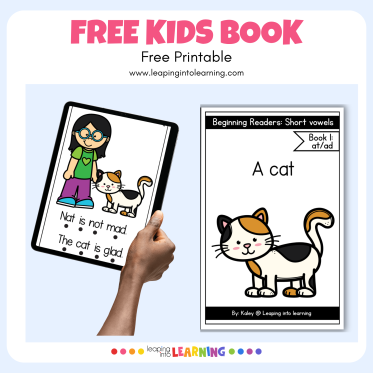
Want to see exactly how this works? I’ve put together a free beginner reader book for you to try. It includes one full book from the “Short Vowel” series, plus print-and-go activities to help you support your child as they read.

CVC Words – Free Kids Book


Want the Full Set?
This resource includes 16 books, each one focusing on different short vowel word families. Every book builds on the last, helping your child move step-by-step through foundational reading skills. They’re perfect if you’re looking for the best books for learning to read at home or in your classroom

You’ve Got This
Helping your child learn to read can feel big—but it really starts with small steps. Choose books that match their phonics knowledge, build sound-by-sound, and don’t expect them to guess. You’re building their brain to read—and that’s amazing.
Whether you’re using first little readers, first reader books, or my favorite beginner reading books, the key is starting slow, being consistent, and keeping it joyful.
You’re doing an incredible job! Your kiddo is so lucky to have you.
xx Kaley



Leave a Comment
You must be logged in to post a comment.