If you’re working on teaching sounds to preschoolers, you might be wondering…
👉 “Is my child actually ready to learn to read?”
Here’s a simple way to check:
Can your child rhyme?
If you say “cat,” can they come up with a word like hat or bat?
Can they play simple rhyming games or notice when words sound the same?
If that feels tricky for them—that’s actually a really important clue.
Before kids can connect letters to sounds or start reading words, their brains need to be able to hear and play with sounds in spoken language. This is called phonological awareness, and it’s one of the most important building blocks for learning to read.
Phonological awareness includes skills like:
- Rhyming
- Clapping syllables
- Hearing beginning sounds
- Blending sounds together
And here’s the part that surprises a lot of parents:
👉 This all happens before letters even come into the picture.
So if we jump straight into teaching letters or focusing only on letter names, we might be skipping the very foundation kids need to actually use those letters later on.
So What Should You Focus on Instead?
- Focus on the sounds in spoken language first.
- Then, teach letter names and sounds together—with the emphasis on what we hear.
When kids can hear, identify, and play with sounds, they’re building the brain connections they need to read words later. This is the foundation of phonological awareness (the big umbrella of sound skills), and phonemic awareness (the more specific skill of hearing individual sounds in words).
This doesn’t mean tossing out the alphabet. It just means we don’t stop at letter names—we connect every letter to its sound, and we spend a lot of time playing with those sounds.
What Is Phonemic Awareness (and Why Does It Matter)?
Phonemic awareness is the ability to hear, identify, and manipulate the individual sounds in spoken words.
For example:
- Can your child tell you the first sound in dog? (/d/)
- Can they blend sounds together to make a word? (“/s/ /u/ /n/ = sun”)
- Can they tell you what word is left when you take the /k/ off of cat?
These are powerful skills that build the foundation for reading.
And the best part? You don’t need fancy apps or workbooks to practice them. You can do it all through playful, everyday conversations.
5 Fun and Simple Ways to Build Sound Skills
Here are five hands-on activities to build phonological awareness—all using zero prep and no pressure:

1. Sound “I Spy”
Say: “I spy something that starts with the /m/ sound.”
Let your child look around and guess. (Milk? Muffin? Marker?)
2. Mystery Word Game
Stretch out a word and ask them to blend it:
“What word am I saying? /p/ /i/ /g/?” (Pig!)
3. Tap the Syllables
Pick a word and clap it out:
“How many parts in ‘banana’? Ba-na-na = 3!”
4. Rhyme Time
Say: “Can you think of a word that rhymes with cat?”
(Hat, bat, mat…) Rhyming builds awareness of word patterns.
5. Sound Switch
Say: “Change the /b/ in bat to /h/. What’s the new word?”
(Hat!)
These games are building real brain connections that help your child down the road when it’s time to sound out words on a page.
What About Letter Names?
Yes, letter names do matter—we just don’t want to teach them in isolation.
- The key is to teach letter names and sounds together, while still putting the spotlight on what we hear.
Instead of just saying, “This is the letter B,” say:
- “This is Bb. It spells the /b/ sound, like ball.”
And when your child is ready for free printable preschool worksheets tracing letters, that’s a great time to say the sound out loud while they trace:
- “S spells /s/, like sun.”
If you want an easy tool to help practice both names and sounds, check out my Printable Letter Sound Cards—perfect for sound hunts, matching games, and introducing letters in a way that actually sticks.
Grab your Letter Sound Cards here

Want a Simple Starting Place?
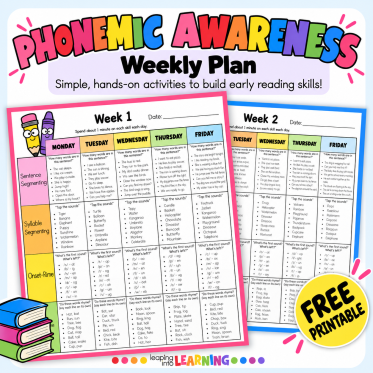
Grab my FREE Phonological Awareness Activity Pack—it’s filled with playful, research-backed activities to build your child’s sound skills at home (without overwhelm!).
Perfect for when you’re just starting with preschool reading or wondering how to teach 3 year old to read.
Click here to download your freebie

Big Picture: Sound First, Then Print
Whether you’re working on Kindergarten reading, teaching phonics at home, or exploring learn to read programs, the same rule applies:
- Play with sounds (phonemic awareness)
- Match sounds to letters (phonics)
- Blend those sounds to read real words
You’re building a house on a strong foundation—and that foundation is SOUND.
Want More Fun Alphabet Practice?
Here are a few fun ways to teach the alphabet (without just memorizing flashcards):
- Alphabet scavenger hunts (“Find something that starts with M!”)
- Letter tracing in sand or shaving cream
- Singing letter sound songs (e.g. “B says /b/, B says /b/…”)
You don’t need to be a teacher to do this!
You don’t need a perfect routine or a Pinterest-worthy setup. You just need a few minutes, a playful attitude, and a focus on teaching sounds to preschoolers in ways that feel fun and doable.
You’ve totally got this—and I’m cheering you on every step of the way.
Ready for more?
Join the waitlist for my learn to read program right here—designed for real-life parents and grounded in the science of reading.